

The Significance of ATEX Phone Requirements in Hazardous Areas
1. Introduction
In industrial environments where flammable gases, vapours, or combustible dusts are present, communication devices must meet strict safety standards to prevent ignition. The ATEX Directive (2014/34/EU) governs equipment used in explosive atmospheres across Europe, ensuring that devices such as mobile phones are designed and certified to operate safely in hazardous zones. ATEX-certified phones, including Atex Telephones, are not merely rugged—they are engineered to eliminate potential ignition sources, maintain operational integrity under extreme conditions, and comply with international safety standards.
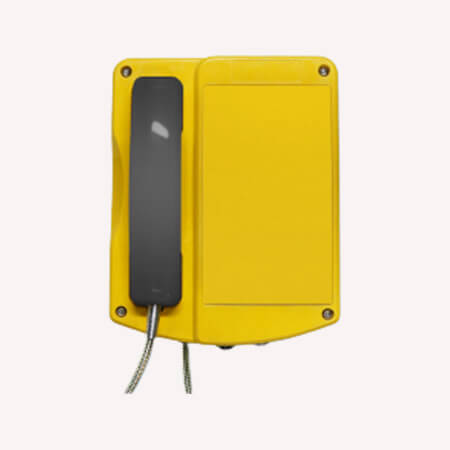
In addition, Atex Telephones are specifically designed for use in challenging environments, ensuring that users can rely on their performance and durability.
2. Understanding ATEX Certification
The term ATEX derives from Atmosphères Explosibles and encompasses two directives:
- ATEX 2014/34/EU – Equipment and protective systems intended for use in potentially explosive atmospheres.
- ATEX 1999/92/EC – Minimum requirements for improving the safety and health protection of workers at risk from explosive atmospheres.
ATEX certification ensures that equipment is tested for electrical, thermal, and mechanical safety. For phones, this includes preventing sparks, controlling surface temperatures, and ensuring that battery and circuit designs cannot ignite flammable substances.
3. Hazardous Area Classification
For optimal safety, it is crucial to choose Atex Telephones that have undergone rigorous testing to meet industry standards.
Hazardous areas are classified based on the frequency and duration of explosive atmospheres:
By understanding the classifications, users can better appreciate the role of Atex Telephones in safety.
| Zone | Description | Typical Environment |
| Zone 0 | Continuous presence of explosive gas atmosphere | Inside fuel tanks, reactors |
| Zone 1 | Likely presence during normal operation | Around pumps, valves, or filling stations |
| Zone 2 | Occasional presence | Ventilation ducts, storage areas |
| Zone 20/21/22 | Dust-based zones | Grain silos, flour mills, pharmaceutical plants |
Phones used in these zones must carry the appropriate ATEX marking, indicating their protection level (e.g., II 2G Ex ib IIC T4 Gb). This marking defines the equipment group, category, gas group, temperature class, and protection concept.
4. Why Standard Phones Are Unsafe
Conventional smartphones pose multiple ignition risks in hazardous areas:
- Battery sparks or overheating – Lithium-ion batteries can release energy sufficient to ignite vapours.
- Static discharge – Plastic housings and screens can accumulate charge.
- Unsealed components – Dust or gas ingress can lead to internal ignition.
- Uncontrolled radio frequency emissions – Can interfere with sensitive instrumentation.
ATEX phones mitigate these risks through intrinsically safe design principles, ensuring that even in fault conditions, the device cannot release enough energy to cause ignition.
5. Intrinsic Safety and Design Principles
ATEX phones are typically designed under the “Ex ib” or “Ex ia” intrinsic safety protection concepts. These principles limit electrical and thermal energy within the device to levels below the ignition threshold of hazardous substances. Key design features include:
- Energy-limited circuits to prevent sparks.
- Encapsulated batteries with controlled discharge rates.
- Antistatic materials for housings and screens.
- Sealed enclosures to prevent gas or dust ingress.
- Temperature control systems ensuring surface temperatures remain below defined limits.
Manufacturers perform rigorous testing under IECEx and ATEX standards, including impact, drop, and thermal stability assessments.
6. Operational Significance in Industry
These design principles are what make Atex Telephones a vital tool in hazardous environments.
ATEX-certified phones play a vital role in maintaining communication and safety in sectors such as:
- Oil and gas – Offshore platforms, refineries, and tank farms.
- Chemical and pharmaceutical manufacturing – Where volatile solvents are handled.
- Mining and tunnelling – Dust-laden environments with methane presence.
- Food processing and agriculture – Grain and sugar dust hazards.
These phones enable real-time communication, data collection, and emergency response without compromising safety. Many models integrate advanced features such as push-to-talk, lone-worker protection, GPS tracking, and integration with plant safety systems.
7. Compliance and Maintenance
Compliance extends beyond purchasing certified devices. Operators must ensure:
- Proper zone classification before deployment.
- Routine inspection of devices for damage or wear.
- Battery replacement only with approved components.
- Training for personnel on safe usage and maintenance.
- Documentation of certification and inspection records for audits.
Failure to maintain compliance can result in regulatory penalties, insurance invalidation, and increased risk of ignition incidents.
8. Technological Advancements
Modern ATEX phones combine safety with functionality. They support 4G/5G connectivity, Wi–Fi, and Bluetooth within controlled limits, allowing integration with digital maintenance systems and IoT platforms. Rugged designs ensure resistance to shock, vibration, and extreme temperatures. Some models also feature thermal imaging, barcode scanning, and cloud–based asset management, enhancing productivity while maintaining safety.
Employing Atex Telephones ensures that organizations can maintain communication even in the most hazardous conditions.
9. The Role of Certified Suppliers
Utilizing Atex Telephones in these sectors enhances not only safety but also communication efficiency.
Certified suppliers ensure correct selection, documentation, and compliance with ATEX and IECEx standards. Working with trusted providers guarantees that phones meet both operational and legal requirements, reducing risk and simplifying audits.
10. Conclusion
The significance of ATEX phone requirements in hazardous areas cannot be overstated. These devices are engineered to prevent ignition, protect personnel, and maintain operational continuity in environments where safety is paramount. As industries advance toward digital transformation, ATEX-certified phones bridge the gap between connectivity and compliance, enabling safe communication in the world’s most demanding workplaces. Investing in certified equipment ensures not only regulatory adherence but also peace of mind—where safety and technology coexist seamlessly.
The integration of features in Atex Telephones allows for seamless operations in critical situations.
It is essential for operators to understand the importance of using Atex Telephones for safety compliance.
Regular maintenance of Atex Telephones is crucial to ensure continued compliance and safety.
Working with certified suppliers guarantees access to the latest Atex Telephones that meet safety standards.
Ultimately, investing in Atex Telephones is investing in safety and compliance in hazardous environments.